

- Quran Tutors
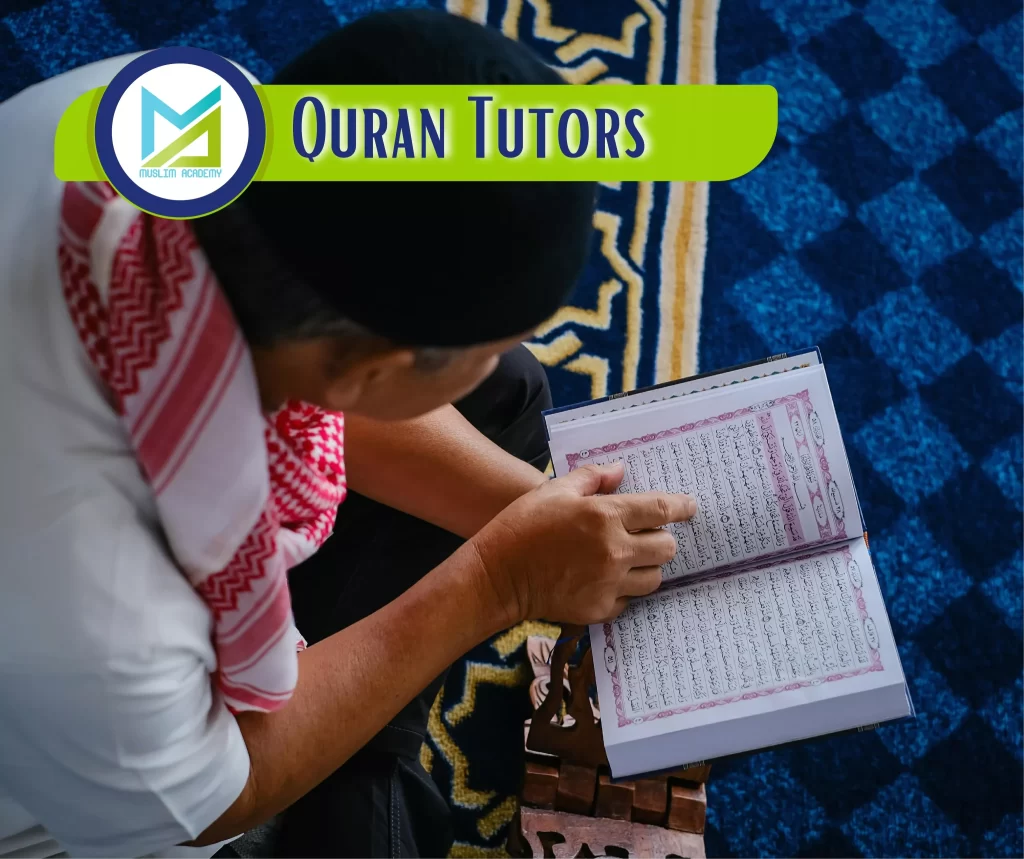
Quran Tutors with Muslim Academy: Why Personal Instruction Remains the Heart of Quranic Learning
Start Online Quran Classes with Muslim Academy
https://muslimacademy.net/index.php/free-trial/
Every serious learner eventually discovers the same truth: some knowledge cannot be acquired alone. A person can read books about swimming without ever being able to swim. They can study music theory without developing the ear or the physical technique that makes a musician. Similarly, a student can read about Quranic recitation without ever reciting correctly. Certain dimensions of learning require another human being — someone who has already mastered what the student is reaching toward, who can demonstrate it precisely, hear the student’s attempts with trained attention, and guide them from where they are to where they need to be. This is the irreplaceable role that Quran Tutors with Muslim Academy play in the sacred tradition of Quranic education.
From the very first moment of revelation, the Quran has been transmitted through living human voices — from the Prophet Muhammad to his companions, and from that generation to every subsequent one. The tutor who sits with a student today continues that transmission, carrying one of the longest unbroken chains of oral learning in human history forward into a new generation.
What Sets Quran Tutors with Muslim Academy Apart From Other Educational Instructors
Teaching the Quran is not like teaching mathematics, history, or a foreign language. Those disciplines involve knowledge that exists independently of the teacher — content that can be extracted from books, websites, or recorded lectures with reasonable effectiveness. Quranic education rests on a fundamentally different foundation.
The Quran is, at its core, an oral tradition. Its sounds are sacred. Its pronunciation follows precise rules that govern every letter, every vowel, and every pause within the text. These rules — collectively known as tajweed — cannot be mastered by reading descriptions of them. They require a trained human ear to model them correctly and a trained human ear to assess whether the student is reproducing them accurately. Furthermore, they require the kind of immediate, specific, real-time feedback that only a live instructor present in the moment of recitation can provide.
This is why the concept of talaqqi — direct face-to-face transmission from teacher to student — has remained central to Quranic education since the seventh century. A well-qualified Quran tutor is not simply an instructor. They are a living link in a chain of authorisation whose links connect back, one by one, to the Prophet Muhammad himself.
The Core Responsibilities of a Quran Tutor
Understanding what a good Quran tutor actually does during instruction reveals why this role requires so much more than subject knowledge alone.
Listening With Expert Attention
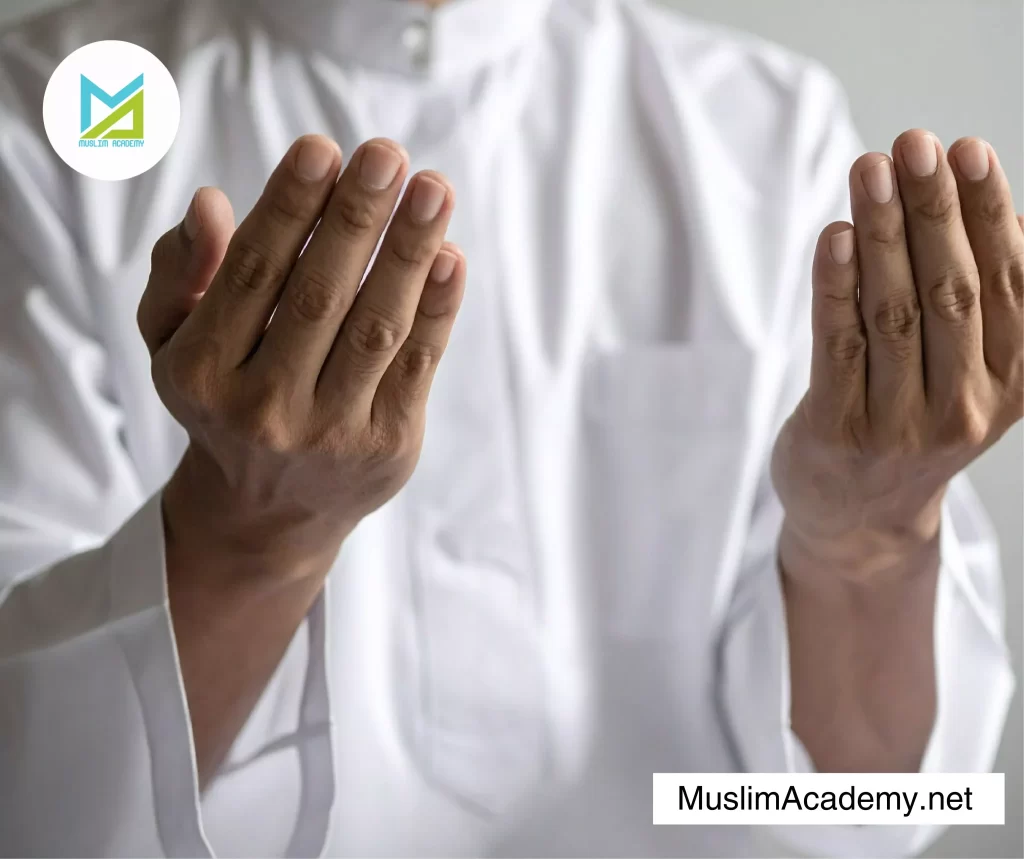
The primary activity of a Quran tutor during any recitation session is listening — not passive listening, but trained, analytical, and sustained attention that catches every deviation from correct pronunciation in real time. A vowel held slightly too long, a letter produced from the wrong articulation point, a nasal sound absorbed rather than properly sustained — these errors are invisible to an untrained listener. They are immediately audible to a qualified tutor who has spent years developing this perceptual skill.
Modeling Correct Sounds
Before a student can produce a sound correctly, they must hear it produced correctly. An experienced tutor demonstrates each sound with precision — slowing down for difficult letters, emphasising the physical placement required for accurate articulation, and repeating the demonstration until the student develops a clear auditory template. Moreover, the tutor models not just individual sounds but the flowing recitation that combines all the rules simultaneously in the actual Quranic text.
Providing Immediate and Precise Correction
When errors appear, a skilled tutor corrects them immediately and specifically. They identify not just that something is wrong but exactly what is wrong and how to correct it. This precision matters enormously. Vague feedback — “that doesn’t sound quite right, try again” — leaves the student uncertain about what to change. Precise feedback — “the qaf is coming from too far forward; push the back of your tongue up and back” — gives the student a concrete, actionable target for improvement.
Pacing the Learning Journey
Different students learn at different speeds. A child learning the Arabic alphabet for the first time needs slow, patient, step-by-step guidance. An adult correcting long-established pronunciation habits needs a different kind of patience — one that acknowledges how difficult it is to override deeply embedded muscle memory. An advanced student pursuing memorisation of the full Quran needs structured daily targets and systematic revision schedules. Excellent tutors adapt their pace and approach to each student’s actual needs rather than applying a uniform method regardless of who sits before them.
Building Long-Term Relationships
Quranic learning is not a short-term project. It unfolds over months, years, and in many cases, an entire lifetime. The tutor who accompanies a student through this extended journey develops an understanding of their specific habits, their particular challenges, and their individual patterns of progress that no new instructor could replicate quickly. Consequently, consistency in the tutor-student relationship is one of the most significant factors in the long-term success of any Quranic learning journey.
The Subjects That Quran Tutors with Muslim Academy Cover
The scope of what a qualified Quran tutor can teach extends far beyond basic recitation. Different students seek tutors for different purposes, and a well-qualified tutor serves each of these purposes with specific competence
Arabic Alphabet and Noorani Qaida
Every Quranic journey begins at the same starting point — the Arabic alphabet. Beginner tutors guide students through letter recognition, correct sound production, and the basics of connecting letters into words. The Noorani Qaida — a widely used beginner primer — provides the structured framework for this stage. Building this foundation correctly is critical because every error introduced at the alphabet stage compounds through all subsequent learning.
Tajweed Rules
Once a student reads Arabic with basic fluency, the focus shifts to applying the tajweed rules in the real Quranic text. A tutor introduces each rule systematically, demonstrates its application in specific Quranic passages, and listens carefully as the student applies it in their own recitation. This stage develops the reciter who reads Arabic into the reciter who reads the Quran correctly.
Quran Memorisation
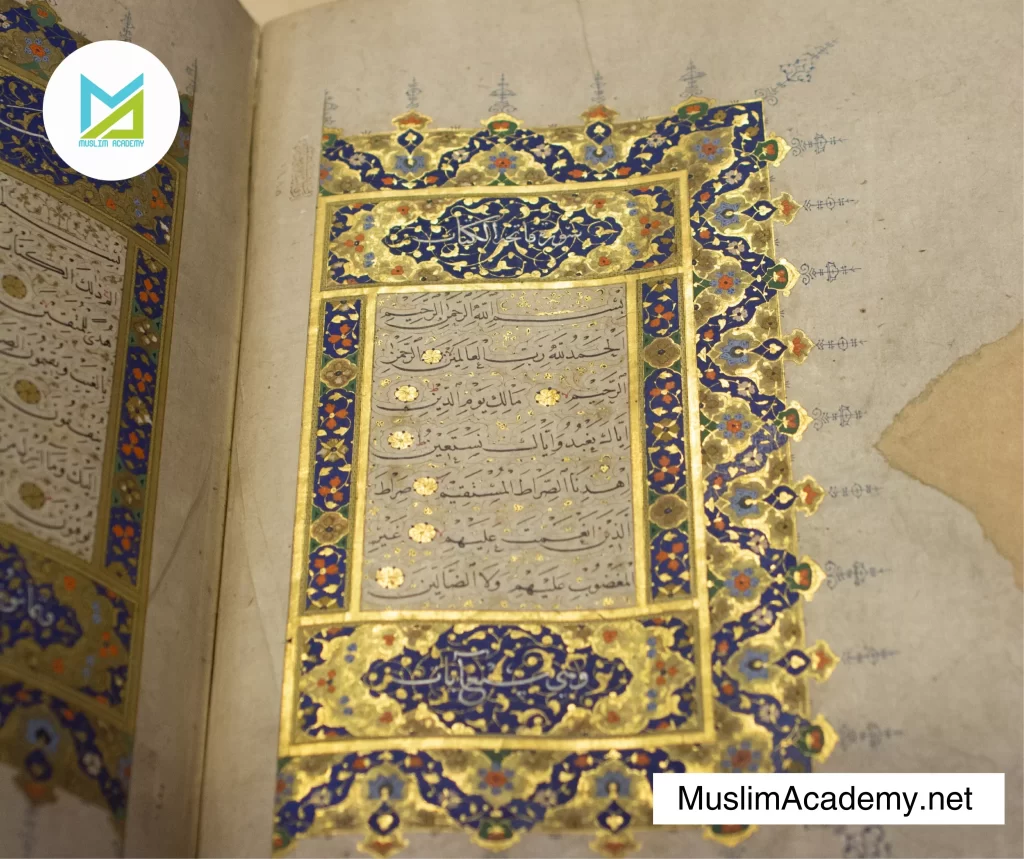
Students pursuing hifz — the full memorisation of the Quran — need a tutor who specialises in structuring and supervising this demanding process. A memorisation tutor designs daily new memorisation targets, manages systematic revision schedules that prevent previously memorised material from fading, and provides the regular accountability that keeps the student progressing through what is often a multi-year commitment.
Tafsir and Quranic Meaning
Advanced students who want to move beyond recitation into genuine understanding need tutors competent in tafsir — Quranic interpretation. A tafsir tutor guides the student through the meaning of each passage, the historical context of its revelation, and the scholarly commentary that centuries of Islamic learning have produced. This dimension of tutoring deepens the student’s relationship with the Quran from a skill into a living source of wisdom and guidance.
How to Find a Qualified Quran Tutor
The growth of online Islamic education has made finding a Quran tutor easier than ever — but also requires more careful evaluation, since quality varies widely across the many platforms and individuals now offering instruction.
Verify the Ijaza
A qualified Quran tutor should hold a recognised ijaza — a formal certificate of authorisation that documents their place in the chain of Quranic transmission. This credential confirms that a senior scholar has personally assessed their recitation and deemed it accurate enough to teach. Ask any potential tutor about their ijaza specifically — not just their years of teaching, their educational background, or their familiarity with the Quran, but the documented chain of authorisation that links their teaching to the scholarly tradition.
Request a Trial Session
Most reputable tutors and platforms offer a trial session at no cost or at a reduced cost. Use this session actively. Arrive with a clear sense of your current level and your specific goals. Recite honestly and observe how the tutor listens, how they identify your errors, and how they communicate their corrections. A single well-conducted trial session reveals more about a tutor’s actual quality than any profile, testimonial, or marketing description.
Assess Communication Style
Technical competence alone does not make a great tutor. The ability to communicate — to explain clearly, to encourage genuinely, and to correct without discouraging — is equally important. Pay attention during the trial session to whether the tutor makes you feel that your questions are welcome, that your errors are normal, and that your progress is possible. A tutor who creates psychological safety in the learning environment makes sustainable progress far more likely.
Consider Scheduling and Consistency
Consistent, regular sessions with the same tutor produce far better results than frequent changes of instructor or irregular scheduling. When evaluating a potential tutor, consider whether their available times genuinely fit your schedule in a sustainable way — not just initially, but over the months and years that serious Quranic learning requires.
Conclusion
The Quran has reached every generation of Muslims through the dedicated
work of qualified, caring, and spiritually grounded tutors. These individuals
have given their knowledge, their time, and their patient attention to students
whose names history has largely not recorded — and through that giving, they
have kept the most precisely preserved oral tradition in human history alive and accurate across fourteen centuries.
Quran Tutors with Muslim Academy today carry this responsibility forward.
Whether they teach in a mosque classroom, a student’s home, or through a
high-definition video call across continents, their role remains what it has
always been — to transmit the divine word from one human heart to the next,
with the accuracy, the care, and the reverence that the sacred text has always deserved and always will.
Start Online Quran Classes with Muslim Academy
https://muslim.bayanews.org/free-trial/
Muslim Academy is an international online and offline academy for all Muslims. It teaches them how to master Quran Recitation, Noorani Qaida, Tajweed, Quran Tafsir, Quran Memorization, Ijazah, Ten Qiraat, Islamic Studies, Arabic Language, and Quranic Arabic.
Get In Touch
- Cairo, Egypt.
- +20 10 06898734
- info@muslimacademy.net
© 2026 All rights reserved to MUSLIM ACADEMY