

- Quran Reading
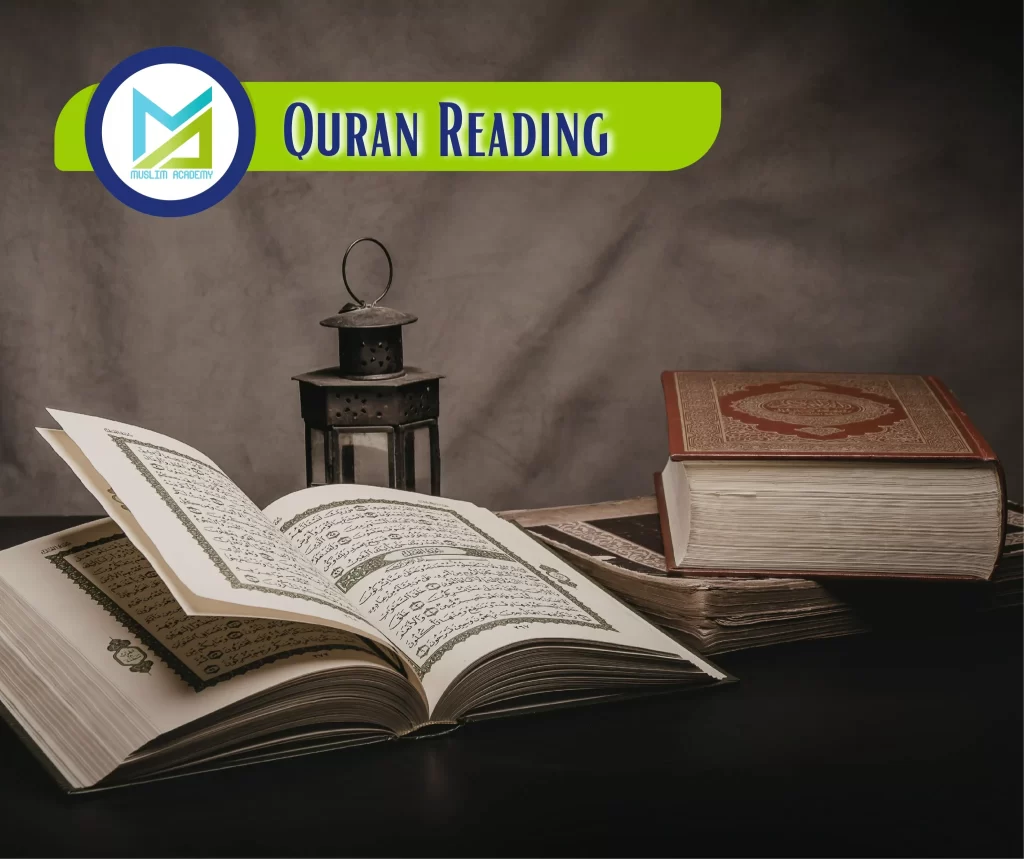
Quran Reading with Muslim Academy: The Sacred Practice That Connects Every Muslim to the Divine Word
Some practices sit at the very center of a faith tradition — not as optional additions but as essential expressions of what that faith truly means. For Muslims worldwide, Quran Reading with Muslim Academy occupies exactly this position. It is not simply an act of literacy. It is a spiritual discipline, a devotional practice, and a daily encounter with the direct words of Allah that has defined Muslim life since the very first revelation descended over fourteen centuries ago.
Every Muslim who opens the Quran and begins to read aloud participates in one of humanity’s longest and most continuous acts of sacred recitation. Understanding what genuine Quran Reading with Muslim Academy involves, how to approach it correctly, and how to deepen its impact on the heart and mind transforms this daily practice from routine into something genuinely transformative.
Start Online Quran Classes with Muslim Academy
https://muslimacademy.net/index.php/free-trial/
What Quran Reading with Muslim Academy Actually Means
Reading the Quran is not the same as reading a newspaper, a novel, or even another religious text. The Quran makes specific demands on its reader — demands rooted in the text itself and the tradition through which it has been preserved and transmitted.
The Arabic word most commonly used for Quranic reading is tilawah — a term that carries connotations of following, tracing, and reciting in a manner that honours the text’s sacred character. True tilawah involves correct pronunciation of every letter, application of the rules of tajweed, and a quality of attentiveness that allows the meaning to reach the heart rather than simply passing through the mouth.
Furthermore, the Quran describes itself as a book to be reflected upon. Scholars consistently emphasise that reading without reflection is incomplete engagement. The Arabic term tadabbur — deep, active contemplation — describes the inner dimension of Quranic reading that transforms external recitation into a genuine spiritual encounter. Consequently, the complete practice of Quran Reading with Muslim Academy combines correct vocal production with sincere inner engagement simultaneously.
The Importance of Correct Pronunciation
Among all the requirements of Quranic reading, correct pronunciation carries particular weight. The Quran was revealed in Arabic, and its meaning is inseparable from its sounds. A single letter mispronounced can shift the meaning of a word entirely. The rules of tajweed exist specifically to prevent this — governing every aspect of how the Quran’s sounds are produced, sustained, and connected.
These rules address the precise articulation point of each Arabic letter — some produced from deep in the throat, others from the tip of the tongue, others from the lips. They govern the duration of vowel sounds, specifying which must be held for two counts, four counts, or six counts, depending on specific conditions. They determine when two adjacent letters merge into a single sound and when they must remain distinct.
Learning these rules takes time and requires a qualified teacher who can hear the student’s recitation and provide immediate correction. However, the investment is entirely worthwhile. A Muslim who reads the Quran correctly participates in the same oral tradition that the Prophet Muhammad modeled, that his companions preserved, and that generations of huffaz and scholars have transmitted across an unbroken chain to the present day.
Building a Consistent Quran Reading with Muslim Academy Habit
Knowing how to read the Quran correctly is one achievement. Reading it consistently is another. Many Muslims struggle to maintain a regular Quranic reading practice despite their sincere desire to do so. Understanding the practical principles that support consistency helps transform good intentions into lasting habits.
Choose a Fixed Time
The single most effective strategy for building consistency is choosing a specific time each day and protecting it deliberately. The period around Fajr prayer is widely regarded as the most powerful time for Quranic reading — the mind is fresh, distractions are minimal, and the spiritual atmosphere of early morning supports focus and sincerity. Nevertheless, any fixed time that a person can genuinely protect works better than an ideal time that never materialises.
Start With a Realistic Amount
Many Muslims abandon their reading habit because they begin with an ambitious daily target that daily life makes unsustainable. Starting small and building gradually produces far better long-term results. A consistent ten minutes of focused, correct reading every day builds a more genuine connection with the Quran than occasional hour-long sessions separated by weeks of absence.
Use a Physical Mushaf
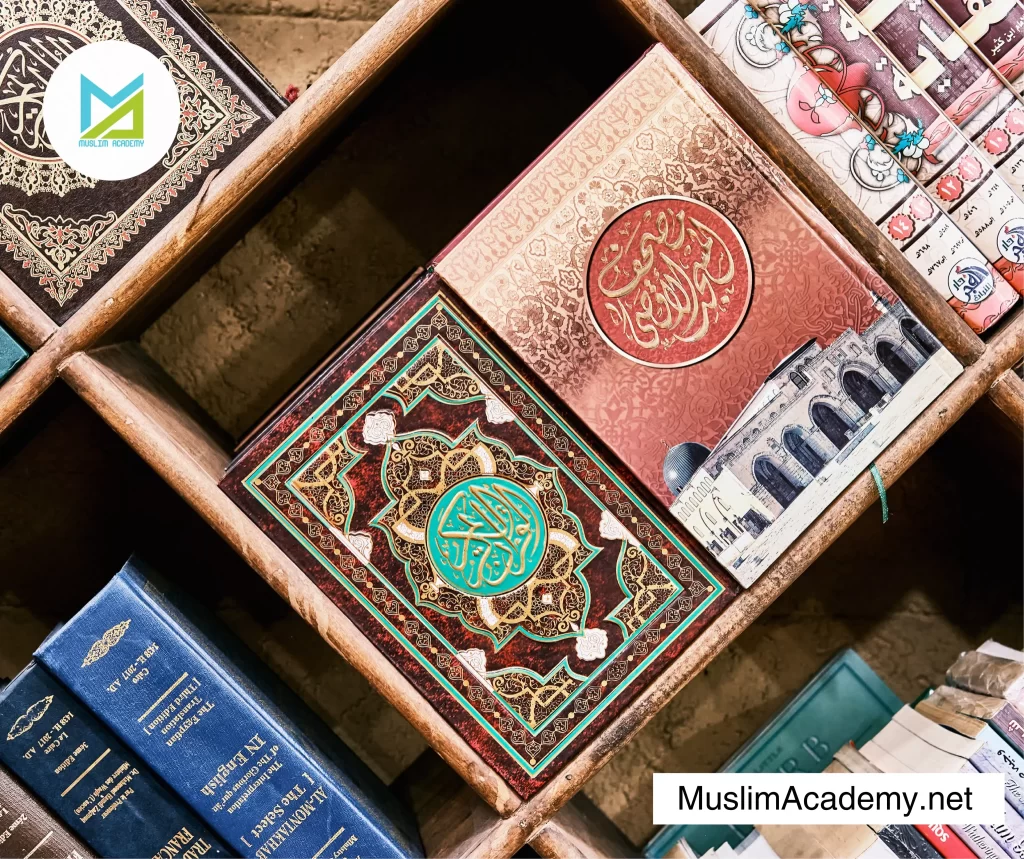
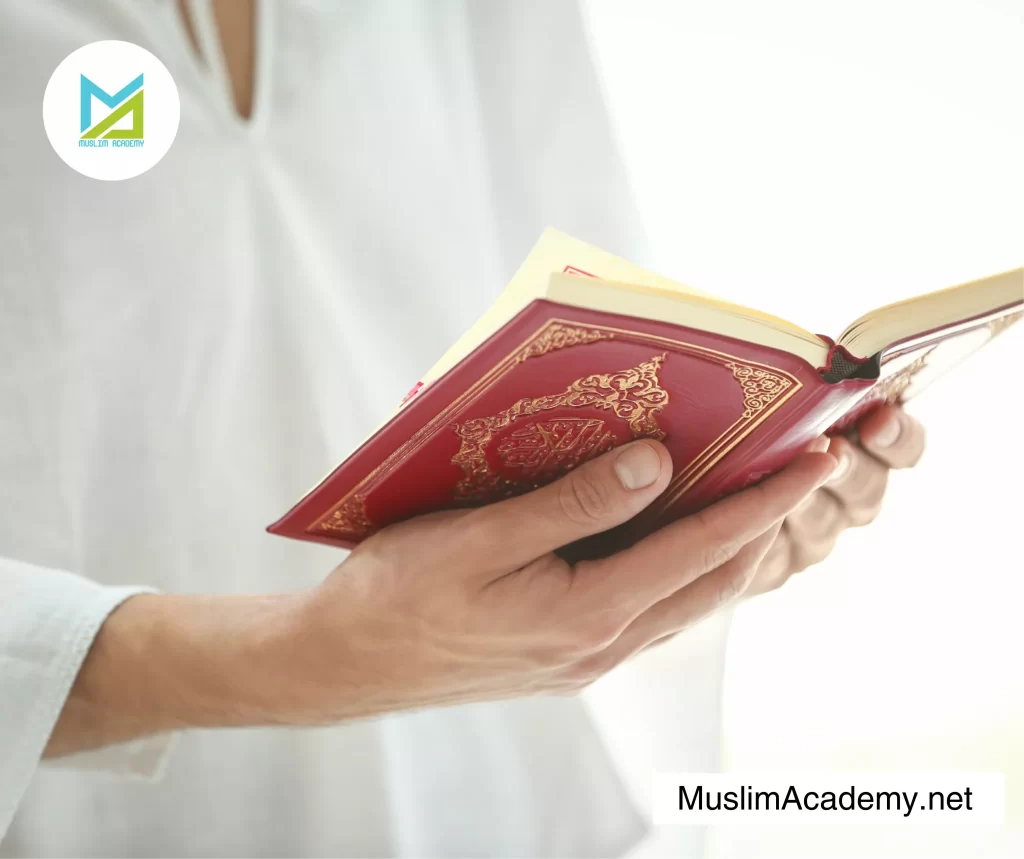
Reading from a physical copy of the Quran — a Mushaf — creates a dedicated, distraction-free engagement that screen-based reading rarely replicates. The physical act of holding the book, turning its pages, and giving it undivided attention signals to the mind that something different and significant is happening. Furthermore, it removes the temptation of notifications, messages, and digital distractions that inevitably compete for attention on any connected device.
Track Your Progress
Many dedicated readers work through the Quran’s thirty equal sections — called ajza — using a systematic schedule. Completing one juz per day during Ramadan, for example, allows a Muslim to finish the entire Quran within the month. Outside of Ramadan, completing one juz per week produces a full reading every seven months. Tracking this progress provides measurable milestones that sustain motivation and give the practice a clear shape and direction.
The Spiritual Benefits of Regular Quran Reading with Muslim Academy
Quran Reading with Muslim Academy produces effects in the heart and character of the consistent reader that accumulate quietly over time. These effects are not magical or automatic. They emerge from sincere engagement, consistent practice, and the genuine openness that allows the text to do its work in the reader’s inner life.
Increased Closeness to Allah
Every session of Quranic reading is, at its core, a conversation with Allah. The reader hears the words of their Creator — words of guidance, comfort, warning, and mercy — directed personally at them through the text. Regular reading builds a sense of divine presence and intimacy that other forms of worship reinforce but cannot fully replicate on their own.
Clarity of Mind and Heart
The Quran describes itself as a light — something that illuminates what was previously dark and unclear. Consistent readers frequently report a growing clarity in how they perceive their responsibilities, their relationships, and their priorities. The Quran’s ethical framework and its consistent emphasis on accountability before Allah gradually reshape how the sincere reader moves through daily decisions.
Comfort in Difficulty
Life regularly produces circumstances of grief, fear, uncertainty, and loss. The Quran addresses all of these human experiences directly and with remarkable depth. A person who reads the Quran consistently builds a familiarity with its comforting passages that makes them naturally accessible in difficult moments — not as distant memories but as living, internalized responses to the challenges life presents.
Strengthened Memory and Focus
The discipline of regular Quranic reading — sitting still, focusing attentively, and engaging the mind with a demanding text — produces cognitive benefits that extend beyond the reading session itself. Many consistent readers report improved concentration, better memory, and a stronger capacity for sustained attention in other areas of their lives. Moreover, the practice of memorising passages strengthens these benefits further still.
Taking Quran Reading with Muslim Academy to the Next Level
Every Muslim who reads the Quran regularly stands at the beginning of a journey with no fixed endpoint. The text always has more to offer than any single stage of engagement can access. Several practices help readers deepen their relationship with the Quran beyond basic recitation.
Learning basic Quranic Arabic allows the reader to engage with the text in its original language — hearing the precision of its vocabulary, perceiving the rhythm of its sentences, and encountering the meaning directly rather than through the filter of translation. Even basic familiarity with the most common Quranic roots transforms the experience of reading significantly.
Studying accessible tafsir — Quranic commentary — opens the historical and scholarly dimensions of each passage. Understanding why a verse was revealed, what questions it addressed, and how scholars across centuries have interpreted it adds layers of meaning to every reading session.
Working with a qualified teacher, even occasionally, provides correction and guidance that self-directed reading alone cannot offer. A single session with a certified teacher can identify pronunciation patterns that have gone unnoticed for years and provide the corrective guidance that transforms a good reader into an accurate one.
Conclusion
The practice of Quran Reading with Muslim Academy stands at the heart of Muslim devotional life for good reason. It connects the individual believer directly to the words of Allah, builds the spiritual habits that sustain faith through every circumstance of life, and participates in a tradition of sacred recitation that has continued without interruption since the first revelation descended fourteen centuries ago.
Every Muslim who approaches this practice with sincerity, consistency, and a genuine desire to improve receives something genuinely valuable in return — not just religious merit, but a living, growing relationship with a text that has more to offer than any single lifetime of reading can fully exhaust.
Start Online Quran Classes with Muslim Academy
https://muslim.bayanews.org/free-trial/
Muslim Academy is an international online and offline academy for all Muslims. It teaches them how to master Quran Recitation, Noorani Qaida, Tajweed, Quran Tafsir, Quran Memorization, Ijazah, Ten Qiraat, Islamic Studies, Arabic Language, and Quranic Arabic.
Get In Touch
- Cairo, Egypt.
- +20 10 06898734
- info@muslimacademy.net
© 2026 All rights reserved to MUSLIM ACADEMY